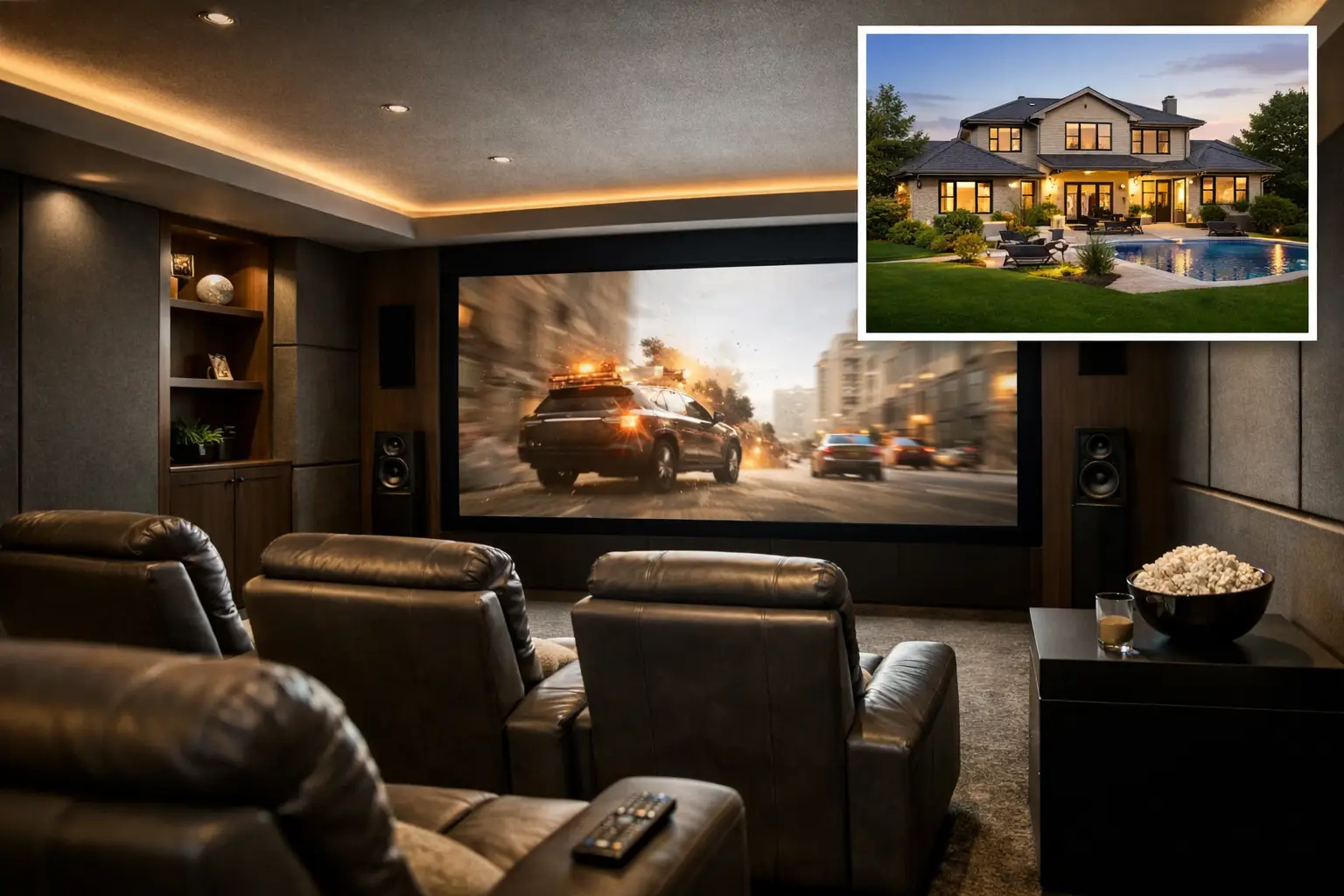
Picture a dark, acoustically treated media room with tiered seating and a projector wall. Now picture a buyer walking through your home and asking a quieter question: will I actually use this space? That is the real lens behind does a home theater increase home value. The answer is sometimes, but not in the simple dollar-for-dollar way many homeowners hope for.
A home theater can absolutely make a property feel more luxurious, more complete, and more memorable. In the right home, it can strengthen buyer interest and support a premium asking price. But resale value depends on how the room is designed, where the home is located, how flexible the space feels, and whether the finish level matches the rest of the property.
Does a home theater increase home value in practice?
In practice, a home theater is usually an amenity, not a core value driver. Kitchens, bathrooms, primary suites, and functional square footage tend to have broader and more predictable resale impact. A theater room sits in a different category. It can elevate the experience of the home, but it rarely carries the same weight as a well-planned kitchen remodel or a bathroom upgrade.
That does not mean it has no value. In higher-end neighborhoods, buyers often expect more than basic bedrooms and living areas. They are looking for homes that feel curated and complete. A well-executed theater or media room can help a property stand out, especially when the home already checks the major boxes. It becomes part of the lifestyle package.
The key distinction is this: a poorly planned home theater can narrow your buyer pool, while a thoughtfully designed media space can broaden appeal within the right market segment.
What actually makes a theater room valuable
Value comes less from the equipment itself and more from the quality of the space. Buyers may appreciate integrated speakers, a projector, or custom lighting, but technology ages fast. What tends to hold value better is the room design: sound control, clean built-ins, good proportions, hidden wiring, comfortable circulation, and a polished finish that feels intentional.
A dedicated room with awkward dimensions, heavy theme decor, or oversized recliners bolted into the floor may feel too specialized. On the other hand, a refined media room with excellent acoustics, flexible seating, and subtle lighting feels usable even for buyers who are not movie enthusiasts.
This is especially true in upscale homes. Buyers respond to spaces that feel tailored without feeling locked in. If the room can function as a screening room, a game-day lounge, or a private family media space, it tends to carry stronger resale appeal than a theater built around one narrow use.
When a home theater helps resale
A home theater is more likely to help resale when the house itself supports it. Larger homes with extra square footage have more room for specialty spaces without sacrificing essentials. If you are converting an underused bonus room, basement, or oversized den, you may be adding appeal without creating a trade-off buyers will notice.
Location matters too. In markets where luxury amenities influence buying decisions, a theater can reinforce the home’s positioning. San Diego buyers, for example, often prioritize indoor-outdoor living, kitchens for entertaining, and well-designed family gathering spaces. A theater can still fit that lifestyle, but it usually works best as part of a broader entertainment plan rather than as a standalone feature competing with more important upgrades.
It also helps when the theater feels architecturally integrated. If it looks like it belonged in the house from the beginning, buyers are more likely to see it as an asset. If it feels like a garage conversion with blackout paint and leftover AV gear, the impression changes quickly.
When it does not add much value
Theater rooms tend to underperform when they take away from flexibility. Turning the only downstairs bedroom into a dark media room may hurt usability. Converting a formal living room in a way that removes natural gathering space can also work against resale, especially for families.
The same goes for over-investing in equipment. Many homeowners spend heavily on projectors, processors, speakers, and automation systems, then expect those purchases to translate directly into appraised value. Most buyers do not value AV hardware at full cost, and appraisers rarely give premium credit for expensive electronics. The room may impress, but the return on the equipment itself is often limited.
There is also a style risk. Ultra-specific finishes, bold cinematic themes, or layouts built around one owner’s preferences can make the room feel dated faster than the rest of the home. The more permanent and personalized the design, the more likely a buyer is to mentally budget for changes.
Home theater vs. media room
If your goal is resale, a media room often performs better than a traditional theater. The difference is subtle but important. A home theater suggests a dedicated, enclosed, low-light room designed mainly for immersive viewing. A media room feels more open-ended. It can host movies, sports, gaming, and everyday family use.
That flexibility matters to buyers. A media room with custom millwork, acoustic upgrades, layered lighting, and comfortable seating can still feel high-end without limiting future use. It gives the next owner room to make it their own.
For many homeowners, this is the smarter path. You still get elevated sound and visual performance, but you avoid creating a space that only appeals to a smaller group of buyers. In resale terms, versatile luxury usually beats niche luxury.
Design choices that protect value
If you are considering this upgrade, the best approach is to design for both enjoyment and marketability. That starts with the room itself. Good proportions, proper ventilation, sound management, and clean electrical planning matter more than decorative excess.
Built-in cabinetry helps the room feel permanent and organized. Concealed wiring keeps the finish crisp. Lighting should be layered and intuitive, not overly complicated. Acoustic treatments can be integrated into the design so they improve performance without making the room look technical or heavy.
It is also wise to preserve reversibility where possible. Furniture-based seating gives buyers options. Wall treatments should feel sophisticated enough to support other uses. Storage is worth adding because it broadens function immediately.
If the home has limited square footage, be especially careful about what you are giving up. A multipurpose bonus room with media features often makes more financial sense than a fully dedicated theater.
How San Diego homeowners should think about it
In San Diego, value is tied closely to lifestyle. Buyers tend to respond strongly to homes that feel open, bright, and connected to entertaining. That does not mean a theater has no place. It just means the best version is one that complements the way people actually live here.
A beautifully finished media lounge adjacent to a bar area, game room, or indoor-outdoor entertaining zone may add more perceived value than a sealed-off theater hidden at the back of the house. Design should follow how the rest of the property works. If the home already has strong common spaces, a private viewing room can feel like a meaningful extra. If the home lacks everyday functionality, buyers may see the theater as misplaced priority.
That is why planning matters. At Forge & Stone, this is the kind of decision we encourage homeowners to evaluate in the context of the whole property, not as an isolated upgrade. The best remodels feel cohesive from room to room.
So, does a home theater increase home value enough to justify it?
If you are expecting a home theater to deliver the same resale return as a kitchen or bathroom remodel, probably not. If you want a better living experience now and a more distinctive home later, it can absolutely be worth it.
The strongest case for building one is when you will use it often, the home has space to support it, and the design is elegant enough to appeal to future buyers. In that scenario, the payoff is not just appraised value. It is daily enjoyment, stronger market positioning, and a home that feels more complete.
A good rule is simple: build the room for the way you live, but finish it for the way the market buys. That balance is where specialty spaces stop feeling risky and start feeling like smart, lasting upgrades.
If you are on the fence, think less about the label “home theater” and more about creating a refined entertainment space that fits your floor plan, your neighborhood, and your long-term goals. That is usually where the best value lives.