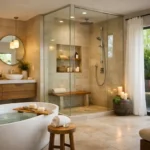

A beautiful bathroom can still miss the mark if it feels rushed, cluttered, or cold at the start and end of every day. A spa inspired bathroom remodel works best when it changes more than the finishes – it changes how the room feels to live in. That usually means slowing the space down, reducing visual noise, and choosing materials that hold up as well as they photograph.
For San Diego homeowners, the goal is rarely to copy a resort bathroom exactly. The better approach is to bring that calm, tailored feeling into a home that has real routines, real storage needs, and real maintenance demands. The most successful remodels balance comfort, function, and restraint.
What makes a spa inspired bathroom remodel feel right
A spa-like bathroom is not defined by one feature. It is the result of several decisions working together. Light, scale, texture, and layout all matter, and if one is off, the room can start to feel more trendy than relaxing.
That is why the layout comes first. If the vanity is too shallow, the shower feels cramped, or storage is missing, even high-end materials will not create the calm effect people want. In many homes, the biggest upgrade is not adding more. It is editing the space so every element has room to breathe.
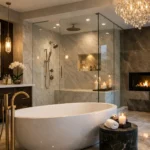
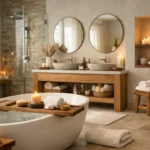
A good spa inspired bathroom remodel usually leans on clean lines, warm neutrals, layered lighting, and materials with a natural feel. Stone-look porcelain, white oak cabinetry, brushed metal fixtures, and large-format tile are common choices because they create quiet visual consistency. But the right mix depends on the home. A coastal property may call for lighter tones and a more airy palette, while a more architectural home may benefit from richer wood, deeper contrast, and stronger geometry.
Start with the shower, not the accessories
If there is one place where the spa feeling becomes real, it is the shower. A larger walk-in shower with frameless glass, minimal thresholds, and thoughtful tile selection can completely reset the room. It also improves everyday use in a way that decorative upgrades alone never will.
The details matter here. A built-in niche keeps bottles off the floor and preserves clean lines. A bench can be practical, but only if the shower has enough space for it without making movement awkward. Multiple shower heads sound appealing, but they are not always necessary. Sometimes one excellent shower fixture with the right pressure and placement is better than an overbuilt setup that adds cost without improving the experience.
Steam showers come up often in high-end remodel conversations, and for some households they are worth it. But they require planning, sealing, and mechanical coordination from the start. If the room is small or ventilation is limited, the investment may be better spent on a larger shower footprint, upgraded tilework, or radiant flooring.
Materials should feel calm and age well
The fastest way to lose the spa effect is to choose finishes that are too busy or too precious. A bathroom used every day needs surfaces that stay attractive under steam, water, cleaning products, and changing light.
This is where restraint pays off. Veined stone can be beautiful, but if every surface competes for attention, the room feels louder, not calmer. Many homeowners get better long-term results from pairing one statement surface with quieter supporting materials. For example, a vanity wall or shower feature in textured tile can work well when the floor and remaining walls stay simple.
Natural stone brings warmth and depth, but it also asks more from maintenance. Porcelain has become a strong choice for luxury bathrooms because it offers durability, consistency, and easier care while still delivering a refined look. The decision is not only about aesthetics. It is also about how much upkeep you want built into your routine.
Wood tones are another important part of the equation. The right cabinetry can soften a bathroom and keep it from feeling sterile. Lighter woods often suit coastal San Diego homes, especially when paired with creamy whites, soft taupes, and muted metal finishes. Darker finishes can look striking, but they typically need stronger lighting and a little more space to avoid feeling heavy.
Lighting is what turns a nice bathroom into a retreat
Many bathrooms have plenty of fixtures but poor lighting. That happens when everything is bright, overhead, and functional, with no variation. Spa-inspired design depends on layered lighting that supports the room at different times of day.
A well-lit vanity is essential, especially for grooming tasks. Sconces or vertical lighting at face level are usually more flattering and useful than relying on a single ceiling fixture. Ambient lighting fills the room, while accent lighting adds softness and depth. In some remodels, toe-kick lighting under a floating vanity or a dimmable light in a shower niche creates a subtle effect that makes the room feel more considered.
Natural light matters too, but privacy always has to be part of the conversation. Enlarging a window, adding frosted glass, or using a skylight can make the room feel open without sacrificing comfort. In San Diego, where daylight is a real asset, that balance is often worth investing in.
Storage is part of the luxury
A bathroom cannot feel calm if counters are crowded and linens have nowhere to go. One of the least glamorous parts of a remodel is often one of the most valuable: storage planning.
That starts with being honest about how the bathroom is used. A primary bathroom shared by two people needs a different vanity setup than a guest bath. Deep drawers usually outperform cabinet doors because they make daily items easier to reach. Medicine cabinets can be integrated cleanly, and a linen tower may be more useful than adding a second decorative mirror.
Open shelving has a place, but not much of one in a hardworking primary bath. It looks good in photos and can be useful for a few neatly folded towels, but it does not replace concealed storage. A spa inspired bathroom remodel should make the room easier to maintain, not create more surfaces to curate.
The floor matters more than most people expect
When homeowners describe a bathroom as feeling luxurious, they are often reacting to comfort underfoot as much as what they see. Heated floors are one of those upgrades that sound optional until you live with them. They add a quiet level of comfort that supports the whole spa concept.
Tile choice also affects the experience. Large-format tile can make a room feel cleaner and more expansive because there are fewer grout lines. At the same time, slip resistance matters, especially in wet areas. The right tile is a balance between visual simplicity, safety, and maintenance.
If budget priorities are tight, floor heat may deserve consideration before some decorative extras. It improves daily use in a very direct way, and that is often where lasting satisfaction comes from.
A spa inspired bathroom remodel should fit the house
One common mistake is treating the bathroom like a standalone mood board. A beautiful bathroom that feels disconnected from the rest of the home can still feel wrong. The best remodels carry through some of the home’s broader design language, whether that is warm contemporary, coastal organic, transitional, or clean-lined modern.
That does not mean every room should match exactly. It means the bathroom should feel like a natural extension of the home rather than a completely different design personality. This is especially important in high-value homes where continuity affects both enjoyment and resale.
An experienced remodeling team can help homeowners sort through where to spend, where to simplify, and how to make luxury choices that still feel grounded in the architecture. That is often what separates a polished result from one that feels pieced together.
Budgeting for the feeling, not just the features
Homeowners often begin with a list of products, but what they usually want is a certain experience. Quieter mornings. Less clutter. Better light. A shower that actually feels restorative. A remodel budget should be shaped around those outcomes first.
That may mean putting more toward layout changes, custom cabinetry, or tilework and less toward trendy fixtures that will date quickly. It may also mean keeping plumbing where it is if the current layout works, then using those savings on better materials and detailing. There is no single formula. The right investment depends on the room, the home, and how long you plan to stay.
For homeowners who want a finished space that feels elevated without becoming impractical, the best path is a clear process with honest trade-offs discussed early. That is where design and construction need to work together, especially in older homes where walls, plumbing, and ventilation can introduce surprises.
A spa inspired bathroom remodel is not really about creating a hotel at home. It is about building a room that feels composed, comfortable, and easy to live in every day. When the layout is thoughtful, the materials are disciplined, and the construction is done well, the result feels less like a trend and more like relief.